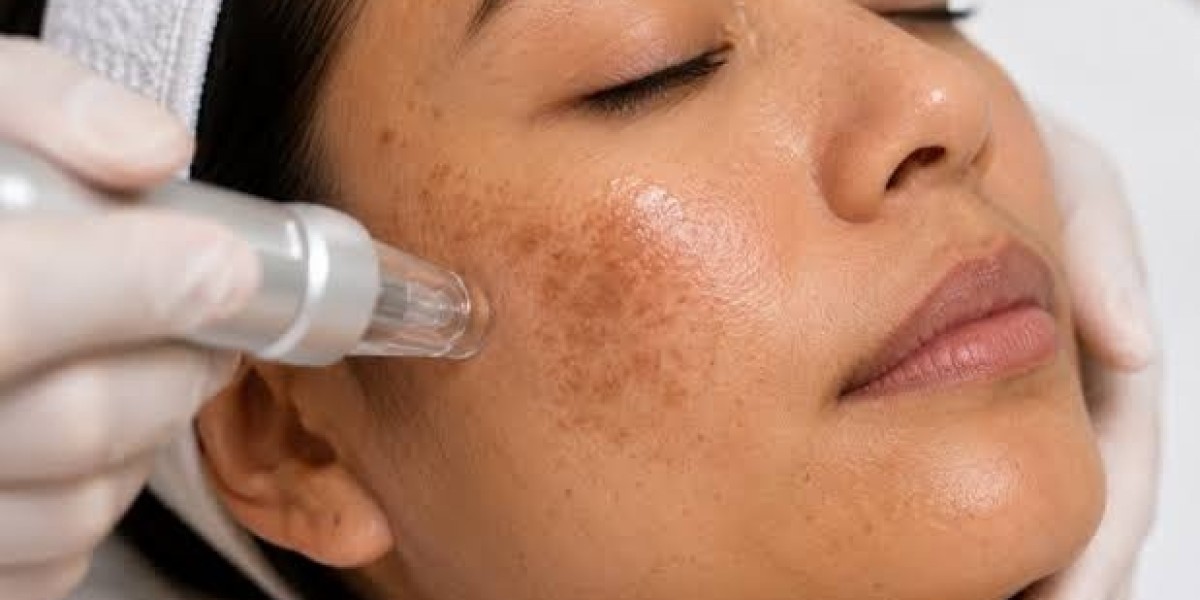

Dark spots and even tone rank among the most common reasons people visit a skin clinic, and the range of causes is wider than most realized. Pigmentation in Dubai deserves particular attention because intense sunlight, heat, and daily outdoor life constantly challenge the skin's ability to keep its tone even. This guide explains the causes behind discolouration, the realistic expectations of treatment, and the simple habits that protect progress from the first week.
A successful Pigmentation Treatment In Dubai is built on an accurate diagnosis rather than on a single laser setting, because melasma, sun damage, and post-inflammatory marks respond to completely different approaches. Understanding which type of pigment you have determines the entire plan, from the products prescribed to the number of scheduled sessions. The sections below walk through diagnosis and treatment in the order a specialist would.
Choosing a Skin Pigmentation Treatment In Dubai means weighing real scientific options against persistent marketing, and this article is written to make that job easier. Laser, peels, prescription creams, and lifestyle changes each play a different role depending on the depth and cause of the condition. With a clear picture of what treatment can and cannot do, patients can commit to a plan with realistic confidence.
Understanding How Pigmentation Develops
The Biology Behind the Marks
Pigmentation forms when melanocytes, the cells responsible for color, produce excess melanin in response to triggers such as ultraviolet light, hormones, or inflammation. That excess color can settle near the surface or sit deeper in the skin, and its depth decides how quickly it responds to treatment. Surface pigment tends to fade sooner, while deeper and long-standing discoloration demands more patience and professional care.
Sun exposure is the dominant driver across all forms of discolouration, which is why counseling about Pigmentation in Dubai consistently begins with protection rather than technology. When ultraviolet light meets the skin every day without blockade, treatment results are quietly erased between sessions. Understanding this cause-and-effect relationship is the first step toward any lasting improvement.
Treatment begins to make sense only when the cause is named, which is why the consultation opens with questions about sun history, hormones, medication, and past procedures. Each answer narrows the list of possible explanations and shapes the choices that follow. A patient who can describe when the pigment appeared has already contributed something valuable before any session begins.
Melasma, Sun Damage, and Dark Spots Are Not the Same
The three most common presentations differ in cause and in behavior, which means a single protocol does not fit all cases. Sun damage typically appears as scattered darkened patches on the cheeks and forehead, while melasma forms larger symmetrical zones that shift with hormones and heat. Post-inflammatory marks arrive after a breakout or injury and usually fade once the underlying flare has settled.
Why the Tiered Diagnosis Matters
Because each presentation responds differently, clinics that lack medical training are not equipped to make the distinction that a dermatologist can. A wrong guess wastes months of effort and money, and in some cases makes the pigment darker rather than lighter. The consultation is therefore not a formality but the precise instrument on which the whole treatment remains.
Hormonal shifts, such as those during pregnancy or with certain contraceptives, can switch melasma on or off, and heat is a frequent aggravator in this climate. This unpredictability is why maintenance plans matter as much as initial treatment. Recognizing that some conditions are managed rather than permanently erased sets expectations that actually survive contact with real skin.
How Perla Dermatology Clinic Can Help
Perla Dermatology Clinic approaches every pigment complaint as a medical question rather than a cosmetic transaction, beginning with a structured examination under appropriate light. The type, depth, and distribution of the pigment are identified before any product or session is proposed. Only after this diagnosis is a plan built, and the plan is explained in plain language the patient can verify.
The clinic is led by Dr. Inas Musa, a specialist dermatologist with over 15 years of experience, which matters especially in pigmentation where misdiagnosis is common. A physician who treats skin disease daily can distinguish harmless darkening from changes that deserve careful attention. That medical perspective protects the patient from both undertreatment and unnecessary intervention.
Every treatment plan includes a home routine, sensible expectations, and a review schedule that measures progress against photographs. Written instructions replace guesswork, and follow-up visits confirm whether the skin is responding as intended. The clinic remains available for queries between appointments, so small concerns are resolved before they become problems.
Pigmentation Treatment In Dubai: Building a Realistic Plan
Protection is woven into every stage of Pigmentation Treatment In Dubai , because sunscreen is what stops new pigment from forming while existing marks are being treated. Missing protection between sessions is the most common reason results stall or reverse. Emphasizing this habit from day one separates medical practice from purely cosmetic retail.
What to Expect During Treatment Sessions
A typical session may involve a laser or light device, a chemical peel, or a combination chosen after the diagnosis, and each feels different but is generally well tolerated. Patients often describe a mild stinging or warmth during the procedure that settles shortly afterwards. Temporary redness and slightly darker-looking spots are normal in the days that follow and should not cause alarm.
Several weeks usually pass between sessions to allow the skin to renew itself, and repeating the treatment too quickly is rarely helpful. The skin's natural turnover gives the color time to lift and prevents over-irritation. The schedule, rather than the number of machines, is what produces a safe and steady result.
Between sessions, the skin builds visible clues about how it is responding, from the tone of treated areas to the pace of any peeling and the return of irritation. Patients are encouraged to note what they observe rather than to judge it, since the clinician will interpret those signs. Small surprises during recovery are common and are nearly always explained at the next visit.
Staying Objective About Results
Measuring Progress Honestly
Progress in pigmentation is gradual, which is why comparing photographs taken under the same light is the most reliable method of judgment. Daily mirror checks magnify tiny changes and hide real trends, feeding frustration that leads patients to quit early. A simple photo series allows both patient and clinician to see improvements that day-to-day memory inevitably misses.
Complete removal is not always the goal, because some pigment, particularly melasma, responds better to management than to elimination. Expecting a flawless uniform tone after every single session can undermine otherwise excellent progress. Agreeing on realistic targets during the consultation prevents disappointment later and keeps motivation steady.
Skin Pigmentation Treatment In Dubai: Choosing the Right Approach
Before committing to any Skin Pigmentation Treatment In Dubai , confirm how progress will be measured and what the follow-up includes, because both belong to the package. Clinics that document the starting point and schedule reviews are treating the plan as a medical program rather than as a transaction. These details encode the difference between genuine care and a quick sale.
Frequently Asked Questions
How long until I see results from treatment?
Most patients noticed the first changes within four to eight weeks, with deeper or hormonal pigment needing longer. Surface discolouration often responds faster than color anchored in the deeper layers of the skin. The treating physician can project a realistic timeline after the initial examination and will adjust it as the skin responds.
Is a single laser session ever enough?
For very light, surface-level change a single session might suffice, but most clinically significant pigmentation needs a course of sessions. Uniform results are rare after one visit, and claims to the contrary should invite skepticism. Consistency across a planned program is what delivers the durable outcome patients actually want.
Does pigment return after treatment finishes?
Returning color depends on a great deal on sun exposure and on hormonal status, which is why lifelong protection remains part of the aftercare. Managed conditions can stabilize, while abandoned protection often allows discolouration to creep back over seasons. The durability of any result is tied to the daily habits that follow it.
Which dark spots should I never attempt to treat myself?
Any mark that is new, asymmetrical, multicolored, or changing in size deserves medical review rather than self-medicated cream. Over-the-counter lighteners can darken certain conditions or mask something that needs attention. A dermatologist's opinion is the correct first call whenever a spot behaves unusually.
Are peels safe for darker skin tones?
Peels can be safe in darker skin, but only when the depth and timing of the peel are carefully matched to the individual skin type. Improperly chosen peeling agents can trigger the very excess pigment they are meant to remove. Experienced clinics start gently and layer treatments gradually, prioritizing safety over speed.
What sunscreen routine supports the treatment best?
A broad-spectrum sun protection of appropriate strength, applied every morning and renewed during the day, forms the baseline of any plan. Hats and shade extend that protection when the sun is strongest, and physical blockers suit sensitive skin well. Routine application protects the months of in-clinic investment from daily ultraviolet sabotage.
Conclusion
Pigmentation rarely obeys urgent timelines, and the most successful patients are those who accept that its treatment is a steady process rather than a single event. A dermatologist's diagnosis, a realistic plan, and consistent protection form the foundation of nearly every lasting improvement. Patience, in this field, is not passive waiting but active consistency.
Sun protection is the single most influential habit, because it multiplies the value of every session and prevents new color from forming each day. Costly technology used without protection is like watering a garden in the middle of a sandstorm. Protection first is the advice every specialist returns to for good reason.
Expectations set honestly at the start prevent most of the disappointment that ends treatment early for other patients, because realistic targets hold their shape under stress. Understanding that some pigment is managed rather than erased keeps a good program running to completion. Success measured against agreed milestones feels far sweeter than vague hope.
Perla Dermatology Clinic builds that honesty into every pigment plan, pairing diagnosis with protection and realistic reviews of progress at every stage. Patients who follow such a program consistently usually exceed the expectations they set together. The reward is steady tone, and the confidence that comes from treating the skin with respect.