
Introduction
Flooding is one of the most destructive natural disasters, causing extensive damage to infrastructure, agriculture, industrial facilities, and residential communities. Increasingly unpredictable weather patterns and extreme rainfall events have made flood monitoring an essential component of disaster preparedness and risk management. Traditional monitoring methods often rely on manual inspections and delayed reporting, limiting the ability to respond quickly when water levels begin to rise.
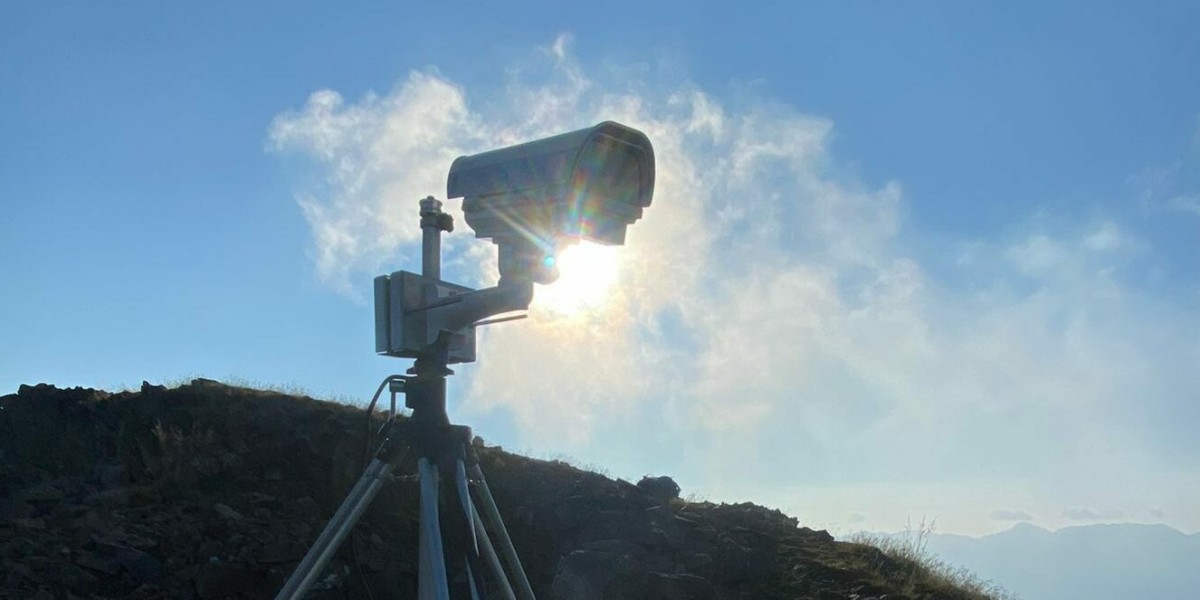
Avacam provides devices for remote flood monitoring that enable organizations to monitor rivers, reservoirs, drainage systems, dams, canals, and other water bodies in real time. Using industrial-grade sensors, Industrial IoT (IIoT) connectivity, cloud-based analytics, and automated alert systems, Avacam helps organizations detect flood risks early and make informed decisions before flooding causes significant damage.
Why Remote Flood Monitoring Is Essential
Flood conditions can develop rapidly due to heavy rainfall, overflowing rivers, blocked drainage systems, or dam releases. Continuous monitoring allows authorities and organizations to identify changing water conditions as they occur and respond immediately.
The key benefits of remote flood monitoring include:
Continuous 24/7 monitoring
Early flood detection
Faster emergency response
Reduced manual inspections
Improved public safety
Better protection of critical infrastructure
Real-time monitoring enables proactive flood management instead of reactive disaster response.
Advanced Flood Monitoring Devices
Avacam develops reliable industrial devices designed to operate in harsh outdoor environments while delivering accurate environmental data.
Water Level Monitoring
High-precision water level sensors continuously measure river, canal, reservoir, and drainage water levels. Rising water levels can trigger automatic alerts before flooding reaches dangerous levels.
Rainfall Monitoring
Rain gauges provide continuous rainfall measurements that help predict flooding and evaluate changing weather conditions.
Flow Monitoring
Flow sensors measure the movement of water through rivers, canals, stormwater systems, and drainage channels, providing valuable information for flood forecasting.
Environmental Monitoring
Additional sensors monitor temperature, humidity, atmospheric pressure, and other environmental parameters that influence flood conditions.
Industrial IoT Connectivity
Reliable communication is critical for remote flood monitoring. Avacam integrates Industrial IoT technologies that securely transmit monitoring data from remote locations.
Supported communication technologies include:
GSM communication
LTE and 4G connectivity
Satellite communication
Low-power Industrial IoT networks
These communication options ensure continuous monitoring even in remote or difficult-to-access areas.
Cloud-Based Monitoring Platform
All monitoring data is transmitted to a secure cloud platform where users can access live information from anywhere.
The platform provides:
Real-time monitoring dashboards
Historical data analysis
Trend visualization
Automated reporting
Multi-site monitoring
Secure remote access
Centralized monitoring enables organizations to manage multiple flood monitoring locations from a single interface.
Automated Early Warning System
One of the most valuable features of Avacam's monitoring solution is its automated early warning capability.
When water levels or rainfall exceed predefined thresholds, the system immediately sends alerts through:
SMS notifications
Email alerts
Mobile applications
Integration with emergency management systems
These notifications provide valuable time for emergency response teams to implement mitigation measures and protect communities.
Applications Across Multiple Industries
Avacam's remote flood monitoring devices support numerous applications, including:
Government and Municipal Authorities
Monitor rivers, drainage systems, and flood-prone areas to improve public safety and disaster preparedness.
Water Resource Management
Track reservoirs, canals, irrigation systems, and water distribution networks for effective water management.
Transportation Infrastructure
Protect highways, bridges, railways, and tunnels from flood-related disruptions.
Industrial Facilities
Monitor manufacturing plants, warehouses, and industrial sites located near rivers or flood-prone regions.
Agriculture
Support irrigation management and protect farmland from flood damage through continuous water monitoring.
Benefits of Choosing Avacam
Organizations using Avacam's remote flood monitoring devices benefit from:
Continuous real-time monitoring
Accurate water level measurements
Early flood warnings
Improved emergency response
Reduced infrastructure damage
Lower operational costs
Remote access to monitoring data
Better long-term flood risk management
These advantages help improve resilience while minimizing the impact of flooding.
The Future of Remote Flood Monitoring
Emerging technologies such as Artificial Intelligence (AI), predictive analytics, Industrial IoT, and cloud computing are transforming flood monitoring into a more intelligent and predictive process. By analyzing historical and real-time data, organizations can improve flood forecasting, automate risk detection, and optimize emergency planning.
Avacam continues to develop innovative monitoring technologies that help organizations build safer, smarter, and more resilient flood management systems.
Conclusion
As flood risks continue to increase worldwide, reliable monitoring has become essential for protecting lives, infrastructure, and natural resources. Continuous observation, accurate environmental data, and automated alerts enable organizations to respond quickly and reduce the impact of flooding.
Avacam provides devices for remote flood monitoring that combine industrial-grade sensors, Industrial IoT connectivity, cloud-based analytics, and intelligent early warning systems. These advanced monitoring solutions empower organizations to detect flood risks early, improve operational safety, protect critical infrastructure, and strengthen disaster preparedness through real-time, data-driven decision-making.