
Introduction
Let's be honest for a second. We have all been there. You buy a fancy embroidery machine, you download a cute design off the internet, and you stitch it out. Then you look at it and think, "Meh." It looks okay, but it doesn't look amazing. It looks like everyone else's work. That is because you are using a generic design that wasn't made for your specific project. This is where the magic of customization comes in.
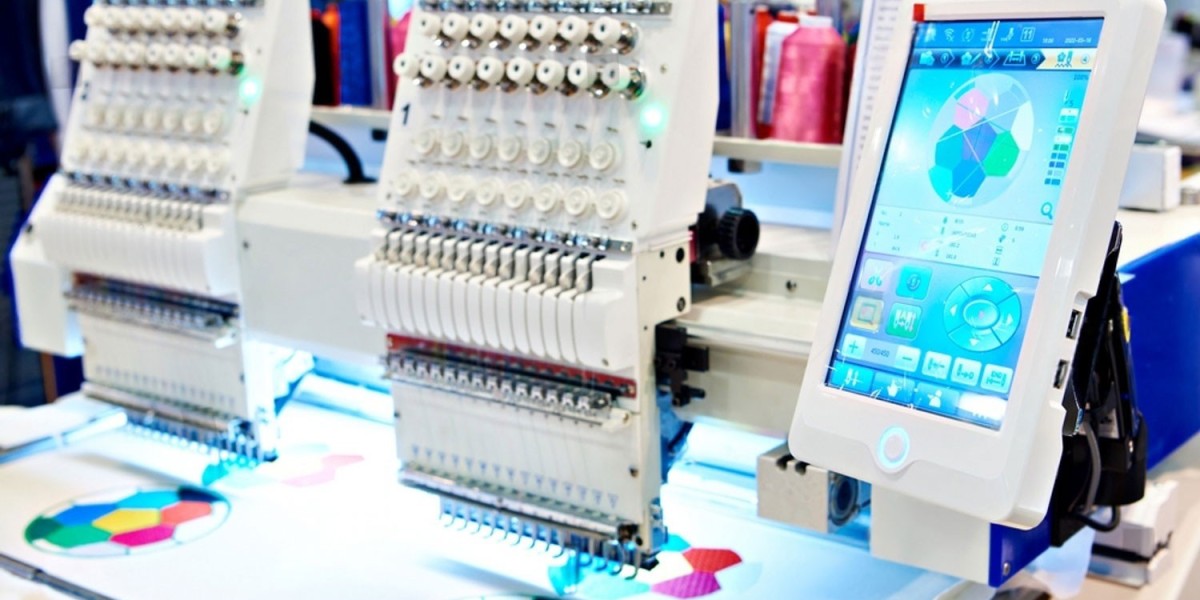
If you want your work to stand out, you need to stop thinking of designs as one-size-fits-all. You need to start thinking about Tailored Embroidery Designs for Embroidery Machines. This means taking a design and tweaking it, or creating it from scratch, so it fits your specific needs perfectly. It is the difference between a store-bought cake and a homemade one. Both are cake, but one has a lot more love and attention in it.
In this article, we are going to chat about why tailored designs are a game-changer. We will look at how they elevate your machine embroidery from a hobby to an art form. We will keep it casual, skip the boring textbook talk, and focus on why custom is always cooler.
What Exactly Is a Tailored Embroidery Design?
So, what do we mean when we say "tailored"? We don't mean a design that is wearing a tiny suit. We mean a design that is specifically adapted for the project at hand.
A tailored design takes several things into account. It considers the fabric you are using. It considers the size of the hoop you have. It considers the colors of the thread in your stash. It considers the person who will wear or use the item.
A generic design is made to look good in a photo on a computer screen. A tailored design is made to look good on a denim jacket, a baby onesie, or a thick towel. It is about making the design work with the medium, not against it.
Why Generic Designs Often Fall Flat
Let's talk about why those free designs you find online can be a letdown. First off, they are usually digitized for speed, not quality. They might have too many stitches, making them stiff. Or they might have too few, leaving gaps in the fabric.
Second, they are not made for your specific fabric. If you stitch a dense design meant for a canvas bag onto a stretchy t-shirt, the shirt will pucker. It will look wavy and messy. The design is fighting the fabric.
Third, they are generic. Everyone has them. If you are making a gift for a friend, do you really want to give them something that a thousand other people have? Probably not. You want to give them something that says, "I thought about you specifically when I made this."
How Tailored Designs Elevate Your Work
Now, let's get into the good stuff. How does tailoring a design actually make your embroidery better?
It Improves the Stitch Quality
When you tailor a design, you adjust the density. You adjust the underlay. You adjust the pull compensation. These are fancy words for making the stitches behave. If you are sewing on a thick fleece, you need a heavier underlay so the stitches don't sink into the fabric. If you are sewing on a thin cotton, you need less density so the fabric doesn't tear.
A tailored design is like a custom suit. It fits the fabric perfectly. This means less puckering, less thread breakage, and a cleaner finish. The machine runs smoother because the design is optimized for the task.
It Makes the Colors Pop
We all have a thread stash. We have our favorite colors. A tailored design lets you use them. You can change the colors of a generic design, sure, but a tailored design is chosen with your color palette in mind.
Maybe you want a monochromatic look. Maybe you want to use variegated thread. A tailored design allows you to plan where those colors go. You can create gradients or highlights that specifically match the project. This makes the final piece look cohesive and professional.
It Creates a Personal Connection
This is the big one. Tailored designs allow you to add personal touches. You can add a name, a date, or a special message. You can change the shape of a design to fit a specific space on a garment.
Imagine you are making a quilt for a grandchild. You could use a generic star design. Or you could use a tailored star design that includes the child's initials and their birthdate. Which one is more special? The tailored one, obviously. It shows you put thought into it. It shows you care.
It Saves You Time and Money
This might sound counterintuitive. You might think, "Making a custom design takes longer." And yes, the digitizing part takes a bit longer. But think about the long run.
If you use a generic design and it stitches out badly, you have to rip it out and start over. You waste fabric, stabilizer, and thread. You waste your time. If you have a tailored design that you know works, you can stitch it out with confidence. You don't have to babysit the machine as much. You don't have to worry about mistakes.
Also, if you are selling your items, tailored designs command a higher price. People pay more for custom work. They know it is unique. They know it is not mass-produced. This turns your hobby into a more profitable venture.
How to Get Started with Tailoring Designs
So, you are sold on the idea. How do you actually do it? You don't need to be a computer genius. You just need the right tools and a bit of patience.
Learn Basic Digitizing Software
You need software that lets you edit designs. There are many options out there, from free to very expensive. Find one that fits your budget and your skill level. Start by learning how to change colors and resize designs.
Watch Tutorials
The embroidery community is amazing. There are thousands of tutorials on YouTube and other platforms. Search for "how to edit embroidery designs" or "how to digitize for beginners." You will find a wealth of knowledge.
Start with Simple Edits
Don't try to create a masterpiece from scratch on day one. Start by taking a design you like and changing the colors. Then try adding a simple text element. Then try resizing it for a different hoop. As you get more comfortable, you can start making bigger changes.
Test, Test, Test
Always stitch out a sample before you commit to the final project. This is especially important when you are learning. You need to see how the design behaves on the fabric. You need to see if your edits worked. Keep a notebook of your settings and results. This will help you learn what works and what doesn't.
The Role of Stabilizer in Tailored Designs
You cannot talk about tailored designs without talking about stabilizer. Stabilizer is the backbone of embroidery. It keeps the fabric from stretching and distorting.
When you tailor a design, you also tailor your stabilizer choice. A heavy design on a heavy fabric needs a heavy cutaway stabilizer. A light design on a delicate fabric needs a light tearaway or wash-away stabilizer.
If you use the wrong stabilizer, even the best design will look bad. So, when you are planning your project, think about the stabilizer as part of the design. They work together.
Conclusion
Machine embroidery is a wonderful craft. It allows us to create beautiful things. But to truly elevate your work, you need to move beyond generic designs. You need to embrace the power of tailoring.
Tailored embroidery designs are not just about making things look different. They are about making things look better. They are about improving stitch quality, creating personal connections, and saving time and money in the long run.
It takes a bit more effort. It takes a willingness to learn. But the results are worth it. When you see a design that fits perfectly, that looks stunning, and that was made just for that project, you will understand. You will never want to go back to generic designs again.
So, fire up your software. Look at your fabric stash. Think about what you want to create. And start tailoring. Your embroidery machine is waiting. Your creativity is waiting. Go make something amazing.