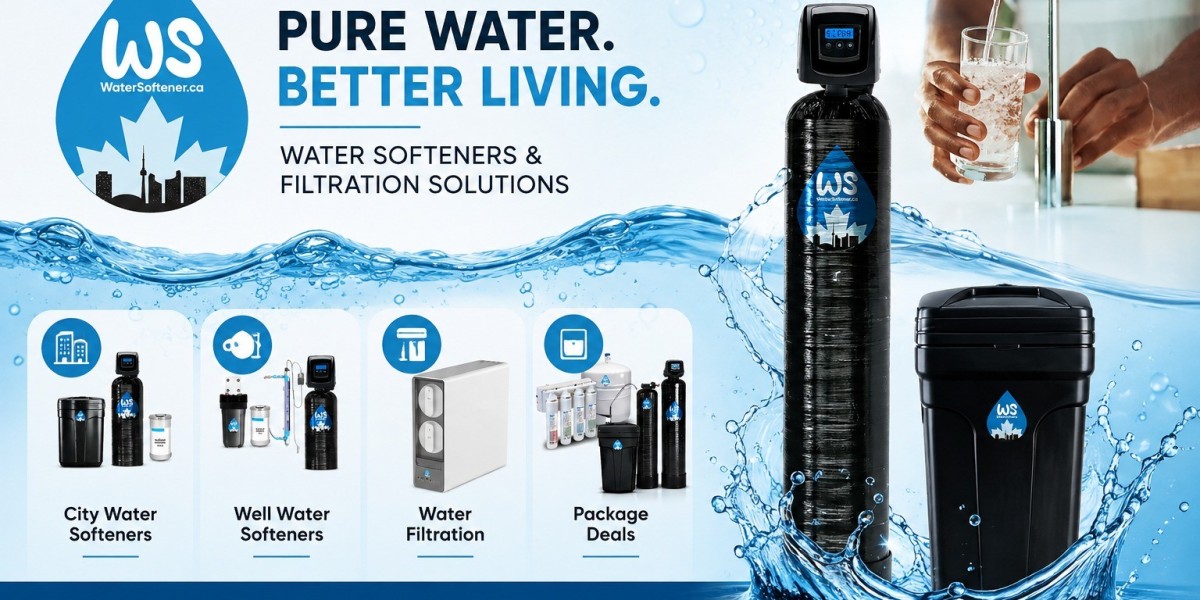

Clean, comfortable, and high-quality water plays an important role in maintaining a healthy and convenient home environment. Hard water can create problems that gradually affect plumbing fixtures, appliances, bathrooms, kitchens, laundry, and everyday cleaning. Mineral deposits from calcium and magnesium may leave spots on glassware, buildup around faucets, and scale inside water-using appliances. When homeowners begin noticing these issues, finding a dependable water treatment solution becomes an important step toward improving household water quality. If you are looking for professional guidance, modern treatment options, and practical solutions for hard water concerns, visit now and explore what [watersoftener] can offer for your home.
Understanding Hard Water and Its Everyday Effects
Hard water is common in many residential areas and contains elevated levels of naturally occurring minerals, particularly calcium and magnesium. Although hard water is generally not considered a direct health concern, it can create significant household inconveniences. Mineral-rich water may cause scale accumulation inside pipes, water heaters, showerheads, faucets, and other plumbing components. Over time, this buildup can reduce efficiency and contribute to increased maintenance requirements.
Homeowners may also notice that soap and shampoo do not lather as effectively when used with hard water. This can lead to the use of more cleaning products while still leaving skin feeling dry or hair feeling less manageable. Laundry washed in hard water may appear dull or feel rough, while dishes can develop cloudy marks after washing.
These problems often encourage homeowners to investigate water softening systems. A properly selected system can help reduce hardness minerals and make water more suitable for everyday household use. Understanding how water treatment works is the first step toward making an informed decision.
Why Water Softening Matters for Modern Homes
A water softener is designed to address the minerals responsible for water hardness. Traditional ion exchange systems use specialized resin media to reduce calcium and magnesium from the water supply. As water passes through the treatment tank, hardness minerals are captured by the resin, allowing softened water to continue into the home's plumbing system.
The benefits can become noticeable throughout the property. Softened water can help minimize scale formation, improve soap performance, and make cleaning easier. It can also support the efficient operation of water heaters, washing machines, dishwashers, and other appliances that regularly come into contact with water.
For homeowners who want a more comfortable household environment, water conditioning can be a practical investment. Rather than repeatedly dealing with visible mineral deposits, homeowners can address the underlying hardness issue with an appropriate treatment system.
Choosing the Right Water Softener for Your Property
Every home has different water requirements. Household size, daily water consumption, existing plumbing, water hardness level, and available installation space can all influence which system is appropriate. A small household may have different needs compared with a large family with multiple bathrooms and heavy water usage.
Water testing is particularly useful because it provides information about the mineral content and overall characteristics of the water supply. Testing can help determine the hardness level and identify whether additional filtration or treatment may be beneficial.
The capacity of a softening system is another important consideration. A system should be capable of handling the household's expected water demand without becoming undersized or unnecessarily oversized. Proper sizing can contribute to reliable operation and efficient regeneration.
Professional advice can make this process easier. Instead of choosing equipment based solely on appearance or price, homeowners can evaluate system performance, capacity, maintenance requirements, installation considerations, and long-term value.
How a Water Softener Can Improve Household Cleaning
One of the most noticeable advantages of softened water can be improved cleaning performance. Hard water minerals can interact with soap and detergents, reducing their effectiveness and contributing to residue. This may result in soap scum on shower surfaces, mineral spots on fixtures, and film on dishes.
With reduced water hardness, soaps and detergents can work more efficiently. Bathrooms may be easier to maintain because mineral deposits are less likely to accumulate as quickly. Glass shower doors, faucets, sinks, and tiles can remain cleaner with regular maintenance.
Soft water can also make laundry care more convenient. Hard water may contribute to mineral deposits within fabric, making clothes feel less soft over time. When hardness is controlled, detergents can perform more effectively, potentially helping fabrics maintain a cleaner and more comfortable feel.
Protecting Plumbing Fixtures and Appliances
Water hardness does not only affect visible surfaces. Mineral scale can develop inside plumbing components and appliances where water is heated or continuously circulated. Water heaters are particularly vulnerable because heating water can encourage mineral deposits to accumulate.
Scale buildup may reduce heat transfer efficiency inside a water heater, potentially increasing energy consumption and reducing operating performance. Faucets, showerheads, valves, and pipes can also be affected when mineral deposits accumulate over extended periods.
A properly maintained water softening system can help reduce the amount of hardness minerals entering the plumbing system. This may contribute to easier maintenance and help water-using appliances operate in a more favorable environment.
The Connection Between Soft Water and Personal Care
Water quality can also influence everyday personal care routines. Hard water may leave mineral residue on the skin and hair after bathing. Some people notice that their skin feels dry or that their hair becomes difficult to manage after repeated exposure to mineral-rich water.
Softened water can provide a different bathing experience because fewer hardness minerals are present. Soap and shampoo may lather more readily, making it easier to wash without using excessive amounts of product.
While individual experiences vary, many homeowners consider improved bathing comfort an important reason to explore residential water treatment. A quality water softening system can become part of a broader approach to improving the home's water environment.
Water Softener Installation and Professional Guidance
Installing a water treatment system involves more than simply connecting equipment to a household water line. Proper placement, plumbing connections, drainage, regeneration requirements, and system settings all need to be considered.
The installation location should provide enough space for servicing and maintenance. Access to appropriate plumbing connections and drainage is also important for systems that use a regeneration cycle. Incorrect installation can affect performance and may create unnecessary maintenance issues.
Professional installation can help ensure that the equipment is configured according to the property's water requirements. Experienced guidance can also help homeowners understand how the system operates and what maintenance it requires.
For anyone researching residential water treatment, [watersoftener] can be a useful starting point for understanding available solutions and determining what may work best for a particular property.
Maintenance Is Important for Long-Term Performance
Like any household equipment, a water softener requires appropriate maintenance. Regular attention helps keep the system functioning efficiently and provides an opportunity to identify potential issues before they become more serious.
Depending on the type of system, maintenance may involve checking salt levels, inspecting components, cleaning the brine tank, monitoring system settings, and periodically testing water quality. Some modern systems include automatic monitoring features that make routine management easier.
Homeowners should follow the manufacturer's maintenance recommendations and pay attention to changes in water quality. If softened water begins to show signs of increasing hardness, the system may require inspection, adjustment, or servicing.
Proper maintenance can extend equipment life and help maintain consistent water treatment performance over time.
Salt-Based and Salt-Free Water Treatment
Water treatment technology includes different approaches to managing hardness and scale. Traditional salt-based water softeners use ion exchange to remove hardness minerals from water. These systems are widely used because they directly reduce calcium and magnesium concentrations.
Salt-free systems operate differently. Many are designed as water conditioners that modify the behavior of minerals to reduce scale formation rather than removing hardness minerals in the same way as an ion exchange softener.
The right choice depends on the property's water conditions, homeowner preferences, maintenance expectations, and local requirements. Understanding the difference between softening and conditioning is important before purchasing a system.
A water professional can help explain how each technology works and determine whether a particular solution is suitable for the home's water supply.
Improving Water Quality Beyond Softening
Water hardness is only one aspect of residential water quality. Depending on the source and local conditions, homeowners may also be concerned about sediment, chlorine taste or odor, iron, sulfur, or other water characteristics.
This is why comprehensive water testing can be valuable. Testing provides a clearer picture of what is actually present in the water and prevents homeowners from purchasing treatment equipment that does not address their specific needs.
In some situations, a water softener may work alongside a whole-house water filter or another treatment technology. Combining appropriate systems can create a more complete water treatment strategy while ensuring each piece of equipment performs a specific function.
Why Professional Water Treatment Advice Makes a Difference
The large number of water treatment products available today can make choosing equipment confusing. Online specifications may look similar, but actual performance can depend heavily on water chemistry, household consumption, system capacity, installation quality, and maintenance.
Professional guidance provides a more personalized approach. Instead of relying on generic recommendations, homeowners can consider their actual water conditions and household requirements.
An experienced water treatment provider can explain available technologies, discuss installation requirements, evaluate system capacity, and provide maintenance guidance. This can help homeowners make a more confident decision while avoiding unnecessary equipment or unsuitable solutions.
Creating a More Comfortable Home Environment
Water is used throughout the home every day, from morning showers and laundry to cooking, cleaning, and appliance operation. Because water is such a central part of household life, improving its quality can have a noticeable impact on everyday routines.
Reducing hard water problems can make cleaning more convenient, help minimize mineral deposits, and create a more pleasant bathing experience. It can also support better care of plumbing fixtures and water-using appliances.
The goal is not simply to install another household appliance. A properly selected water treatment solution should provide practical value by addressing the specific water challenges experienced by the property.
Making an Informed Decision About Water Treatment
Before investing in a water softener, homeowners should understand their water hardness, household consumption, available installation space, maintenance expectations, and long-term operating costs. Taking time to evaluate these factors can prevent common purchasing mistakes.
It is also important to consider system quality rather than focusing exclusively on the initial price. A low-cost system may not always provide the capacity or features required by a particular household. Conversely, an unnecessarily large or complex system may create additional costs without providing meaningful benefits.
A balanced approach considers performance, reliability, efficiency, maintenance, installation, and long-term value. Professional consultation and water testing can make the decision-making process considerably easier.
Start Improving Your Home's Water Quality
Hard water can affect many parts of a home, from bathroom fixtures and laundry to plumbing systems and appliances. Although these problems may develop gradually, addressing water hardness can make everyday household maintenance more manageable and improve the overall water experience.
A properly selected and maintained water softening system can help control hardness minerals, reduce scale-related concerns, improve cleaning performance, and support the long-term care of water-using appliances. The best solution depends on the property's specific water conditions and household requirements, which makes professional evaluation an important part of the process.
If you are researching ways to improve residential water quality, visit now and learn more about the solutions available through watersoftener. With the right information, appropriate water testing, and a properly sized treatment system, homeowners can take a practical step toward cleaner, more comfortable, and better-managed water throughout the home.