
Understanding Emulsion Paint
Choosing the right wall finish can have a major impact on the appearance, comfort, and overall character of an interior space. Among the many decorative coatings available today, emulsion paint remains one of the most popular choices for residential and commercial interiors. It offers a practical combination of attractive appearance, smooth application, color versatility, and everyday durability, making it suitable for bedrooms, living rooms, offices, hallways, and many other indoor areas.
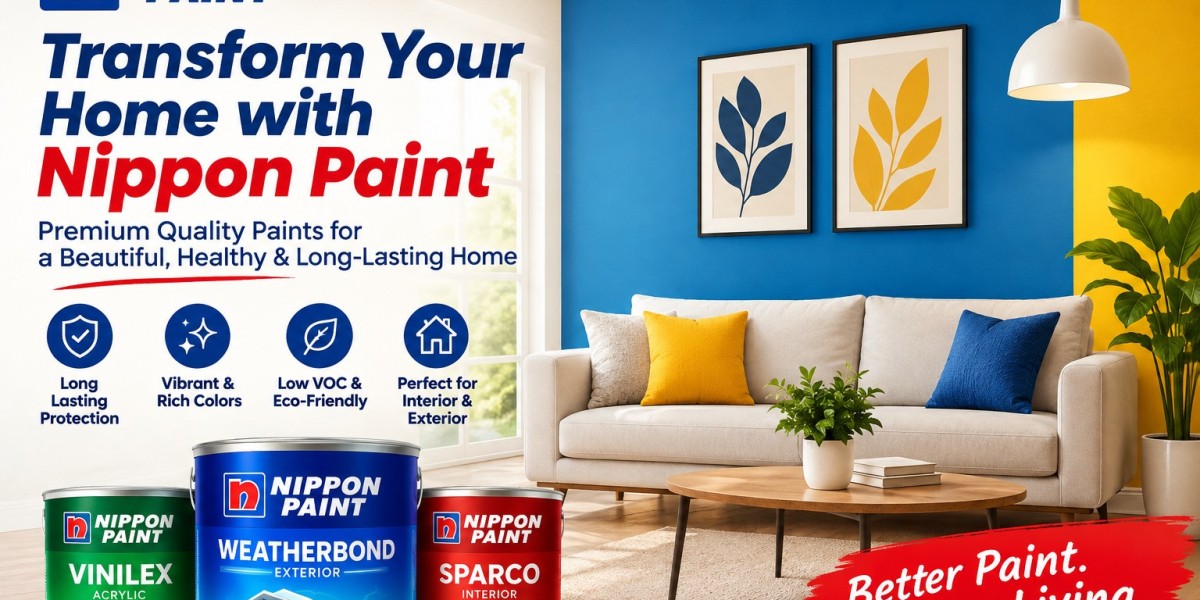
Emulsion paint is a water-based coating commonly used for interior walls and ceilings. Unlike some traditional solvent-based paints, it generally has a lighter odor and can provide a smooth decorative surface when applied correctly. For homeowners looking to refresh an existing room or create a completely new interior appearance, products associated with trusted brands such as nipponpaint can provide an effective foundation for achieving a clean and modern finish.
What Makes Emulsion Paint Different?
The basic composition of emulsion paint allows it to provide a decorative and protective coating over properly prepared interior surfaces. It typically contains pigments for color, binders that help the coating adhere to the wall, water as the primary carrier, and other ingredients designed to improve performance and application characteristics.
One of the main reasons this type of paint is widely used indoors is its ease of application. It can be applied to plaster, masonry, drywall, and other suitable surfaces after proper preparation. Once dry, it can create an even appearance that helps enhance the architectural features of a room.
Modern interior wall coatings have also evolved considerably. Paint manufacturers focus on developing finishes that provide better coverage, improved washability, smoother application, and greater color consistency. This means homeowners can choose from products designed for different interior requirements rather than relying on a single type of wall coating.
Why Emulsion Paint Is Popular for Interior Walls
Interior decoration is not only about furniture and accessories. Walls occupy a significant amount of visual space, meaning their color and finish can influence how an entire room feels. A carefully selected wall coating can make a small room appear brighter, create a warmer atmosphere, or give a larger space a more sophisticated appearance.
Emulsion paint is particularly popular because it offers considerable flexibility. It can be used in subtle neutral shades, bold accent colors, soft pastels, or contemporary tones. This flexibility makes it suitable for different interior design styles, from minimalist and modern spaces to traditional family homes.
Another important advantage is the range of available finishes. Depending on the product, homeowners may select a matt, low-sheen, or other decorative finish according to the desired visual effect and practical requirements. A matt surface can help create an understated appearance and may be useful where a softer decorative effect is preferred.
Creating a Smooth and Attractive Interior Finish
The final appearance of painted walls depends on much more than the paint itself. Surface preparation plays an important role in determining whether the finished wall looks smooth and consistent. Dust, loose particles, cracks, grease, moisture, and uneven areas can affect adhesion and may become visible after painting.
Before applying an interior coating, the wall should therefore be inspected and prepared appropriately. Existing loose paint may need to be removed, imperfections should be repaired, and the surface should be clean and sufficiently dry. Depending on the condition and material of the wall, a suitable primer or sealer may also be recommended.
Once the surface has been prepared, applying the coating evenly can help achieve a professional-looking result. Using appropriate rollers, brushes, or other application equipment can make it easier to maintain consistent coverage. Following the manufacturer's application instructions is also important because drying times, recommended coats, thinning requirements, and surface conditions can vary between products.
Choosing the Right Color for Your Space
Color selection is one of the most enjoyable parts of an interior painting project, but it can also be challenging. A color that looks attractive on a small sample may appear different when applied across an entire wall because lighting, room size, furniture, flooring, and surrounding colors can influence how the shade is perceived.
Light colors can help create an open and airy feeling, particularly in rooms with limited natural light. White, cream, beige, soft gray, and other neutral shades are commonly used when homeowners want a versatile background that works with different furniture styles.
Deeper colors can create a stronger visual statement. Rich greens, blues, earthy tones, and other darker shades may work particularly well as feature walls or in larger rooms where a dramatic atmosphere is desired. The choice ultimately depends on personal taste, the existing interior design, and the atmosphere the homeowner wants to create.
When selecting a color, it is useful to consider both natural and artificial lighting. Sunlight changes throughout the day, while warm or cool artificial lighting can alter the appearance of certain shades. Testing a small area before committing to a full room can help homeowners understand how the chosen color will actually look in their environment.
Emulsion Paint for Different Rooms
Different rooms have different decorative and practical requirements. Living rooms often benefit from attractive colors and finishes that create a welcoming environment while complementing furniture and décor. Bedrooms may require softer shades that contribute to a calm and relaxing atmosphere.
Dining areas and family spaces may benefit from finishes that are easier to maintain, especially where walls are exposed to frequent contact. Offices may require professional neutral tones that create a clean working environment without becoming visually distracting.
For areas exposed to greater humidity or frequent cleaning, it is important to select an interior coating specifically designed for those conditions. Product specifications should always be checked before choosing a paint for kitchens, bathrooms, or other challenging environments.
The Importance of Washability and Maintenance
Walls naturally collect dust and can occasionally develop marks from everyday household activity. A quality interior coating can make routine maintenance easier, particularly when the selected finish has suitable cleaning or washability characteristics.
However, not every paint should be treated in the same way. Some finishes are designed primarily for decorative purposes, while others are engineered to withstand more frequent cleaning. Understanding the product's intended use can help prevent damage during maintenance.
Gentle cleaning methods are generally preferable to aggressive scrubbing unless the manufacturer specifically states that the coating is designed for intensive washing. Proper maintenance can help preserve the appearance of painted walls for longer and reduce the need for frequent repainting.
The Role of Quality in Interior Painting
The quality of an interior paint can influence application, appearance, coverage, and long-term performance. Low-quality products may require additional coats or may produce an inconsistent finish if the underlying surface is not ideal. Investing in a suitable product can therefore contribute to a more satisfactory result.
This is where choosing a recognized paint manufacturer can make a difference. nipponpaint is associated with a broad range of coating solutions designed for different decorative and protective requirements. When selecting a product, homeowners should consider the specific characteristics provided by the manufacturer rather than choosing solely on the basis of color or price.
A quality product combined with proper preparation and professional application can create a noticeably better finish. Even an excellent coating may not perform as expected if it is applied over a damp, dirty, unstable, or poorly prepared surface.
Preparing Walls Before Painting
Good preparation is one of the most important stages of any interior painting project. Before painting begins, walls should be examined for cracks, holes, peeling areas, stains, and other imperfections. Repairing these problems beforehand helps create a more uniform surface.
Dust and dirt can interfere with adhesion, so cleaning the surface is important. Moisture should also be addressed before painting because persistent dampness can cause bubbling, peeling, discoloration, and other problems.
In newly constructed spaces, plaster and other cement-based surfaces may require adequate curing before a decorative coating is applied. Applying paint too early can affect the performance of the finished system. Manufacturer recommendations regarding surface condition and preparation should therefore be followed carefully.
Emulsion Paint and Modern Interior Design
Modern interior design increasingly focuses on simplicity, comfort, natural tones, and coordinated color schemes. Wall coatings play an important role in achieving these aesthetics because they provide the visual foundation for the rest of the room.
Neutral wall colors can work well with wooden furniture, metallic accents, contemporary lighting, and natural fabrics. Softer shades can create a peaceful environment, while stronger colors can add personality and visual contrast.
The versatility of emulsion-based interior coatings makes them useful for homeowners who want to update a space without making major structural changes. Repainting walls can dramatically alter the atmosphere of a room while allowing existing furniture and decorative elements to remain.
Professional Application Versus DIY Painting
Some homeowners prefer to paint their rooms themselves, while others choose professional painters. Both approaches can produce good results when the necessary preparation and application techniques are followed.
DIY painting can be practical for smaller projects, particularly when the walls are already in good condition. However, larger projects or surfaces with significant imperfections may benefit from experienced professionals. Professional painters are familiar with surface preparation, cutting-in techniques, roller application, drying times, and achieving consistent coverage.
Regardless of who applies the paint, using clean tools and following the recommended application process is essential. Rushing between coats or painting under unsuitable environmental conditions can negatively affect the final finish.
Making a Long-Term Paint Investment
Painting should not be viewed only as a short-term decorative change. The right coating can contribute to the overall maintenance and appearance of an interior for years. Choosing a suitable product based on room conditions, surface type, desired finish, and expected maintenance can provide better long-term value.
Homeowners should also pay attention to product information, recommended coverage, drying requirements, and application instructions. These details help ensure that the selected coating is used correctly and performs according to its intended purpose.
A well-planned painting project combines color selection, surface preparation, suitable materials, correct application, and regular maintenance. When these elements work together, the result can be a cleaner, more attractive, and more comfortable interior environment.
Final Thoughts on Choosing Emulsion Paint
Interior walls have a powerful influence on the appearance and atmosphere of a home. Selecting the right coating can help transform outdated rooms into fresh, welcoming, and visually appealing spaces. Emulsion paint continues to be a practical choice because of its versatility, attractive finishes, broad color possibilities, and suitability for many interior applications.
Whether the goal is to refresh a single bedroom, redesign a living room, update an office, or repaint an entire property, choosing a suitable product and preparing the surface correctly can make a significant difference. With careful color selection, proper application, and appropriate maintenance, homeowners can achieve a finish that complements their interior for years.
For those considering reliable interior coating solutions, nipponpaint provides an established name to explore when evaluating products for different decorative requirements. The best result comes from matching the paint to the surface, environment, desired appearance, and maintenance expectations rather than simply choosing a product based on appearance alone.